As the earth awakens from the stillness of winter, millions of people around the world come together to celebrate Nowrouz, the Persian New Year. Marking the first day of spring and the vernal equinox, Nowruz is more than just a new calendar year; it is a profound celebration of life, renewal, and harmony with nature.
The spirit of Nowrouz
Nowrouz, meaning “new day,” has been celebrated for over 3,000 years across regions influenced by Persian culture. It symbolizes rebirth, fresh starts, and the triumph of light over darkness. Families prepare for weeks in advance, cleaning their homes (khãne tekãni, or “shaking the house”) as a way of clearing out the old and making space for new energy.
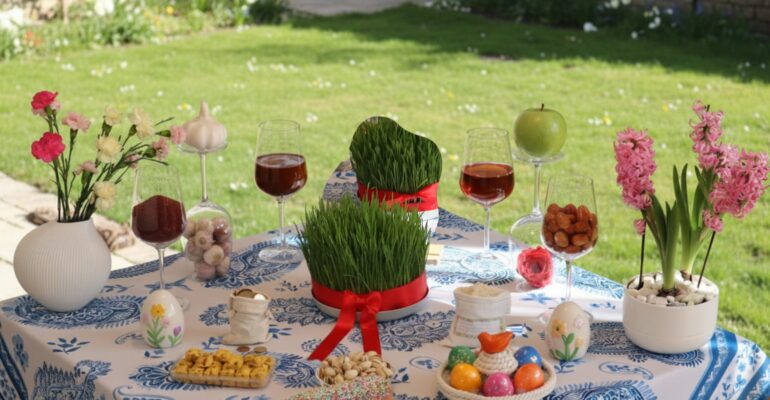
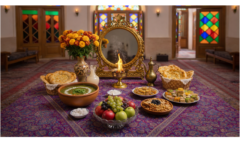
The arrival of Nowrouz is marked at the exact moment of the equinox, often celebrated with loved ones gathered around a beautifully arranged table known as the “Haft Sin”.
The Beauty and Symbolism of Haft Sin
At the heart of Nowrouz traditions is the Haft Sin table; an arrangement of seven symbolic items, each starting with the Persian letter “S” (س). These items represent different hopes and values for the year ahead:
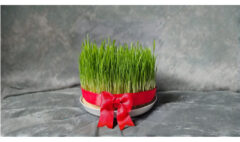
- Sabze (Sprouted Greens): Symbolizing rebirth and growth
- Samanu (Sweet Wheat Pudding): Representing strength and power
- Senjed (Dried Oleaster Fruit):A symbol of love and wisdom
- Sir (Garlic):Standing for health and protection
- Sib (Apple):Representing beauty and good health
- Somāgh (Sumac):Symbolizing the sunrise and patience
- Serke (Vinegar):Representing age, wisdom, and acceptance
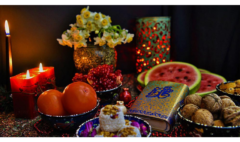
In addition to these seven items, the table is often decorated with meaningful objects such as:
- A mirror (reflection and self-awareness)
- Candles (light and enlightenment)
- Painted eggs (fertility and creation)
- Goldfish (life and movement)
- A book of poetry or sacred text (wisdom and spirituality)
Traditions That Bring People Together
Nowrouz is a time of connection, joy, and generosity. Some cherished customs include:
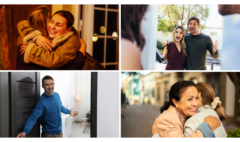
- Visiting Loved Ones (Did o Bãzdid): Families and friends visit each other, starting with elders, to exchange well-wishes.
- Eidi (New Year Gifts): Elders give money or small gifts to younger family members as a token of blessing.
- Wearing New Clothes: A symbol of fresh beginnings and renewal.
Sizdah Bedar: Welcoming Nature
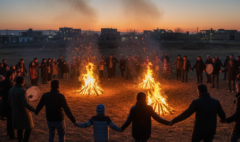
The Nowrouz celebrations conclude on the 13th day with Sizdah Bedar, a day spent outdoors in nature. Families picnic, enjoy games, and release the sabze into flowing water, symbolically letting go of bad luck and negativity.
A Timeless Celebration
Nowrouz transcends borders, religions, and generations. It is celebrated in countries across the Middle East, Central Asia, and beyond, each adding its own flavor while preserving the core message: renewal, hope, and unity.
Embracing a New Beginning
At its heart, Nowrouz is an invitation to reflect on the past, cherish the present, and step into the future with optimism. The Haft-Seen table serves as a daily reminder during the new year: that life is a balance of growth, patience, love, and wisdom.